



Variable Data Printing
Professional brands often aim to plan results-driven strategies in order to engage directly with their customers. While these interactions are mostly conducted via social media and interactive pages today, it’s evident that the contact with customers has become weaker compared to previous years. Brands that work with analysis and data are beginning to try out different methods to increase their engagement.
Brand managers who combine traditional methods with new strategies are often able to achieve success in a short period. One such innovative technique that has caught the attention of business owners is Variable Data Printing (VDP). This method isn’t drastically different from traditional offset printing, except that it creates practical ways to personalize prints for specific individuals or names. In general, variable data printing refers to the process of printing information from a specific source onto a desired template.
With current software, you can customize products for your customers and target audience. As a result, documents or materials personalized with variable data provide business owners with more prestige than ordinary documents. For example, if you have a list of 500 names in an Excel sheet and you want to send invitations to everyone on the list, you can easily print personalized invitations with names, addresses, and phone numbers using the database via Seka Basım and Reklam.
Applications of Variable Data Printing
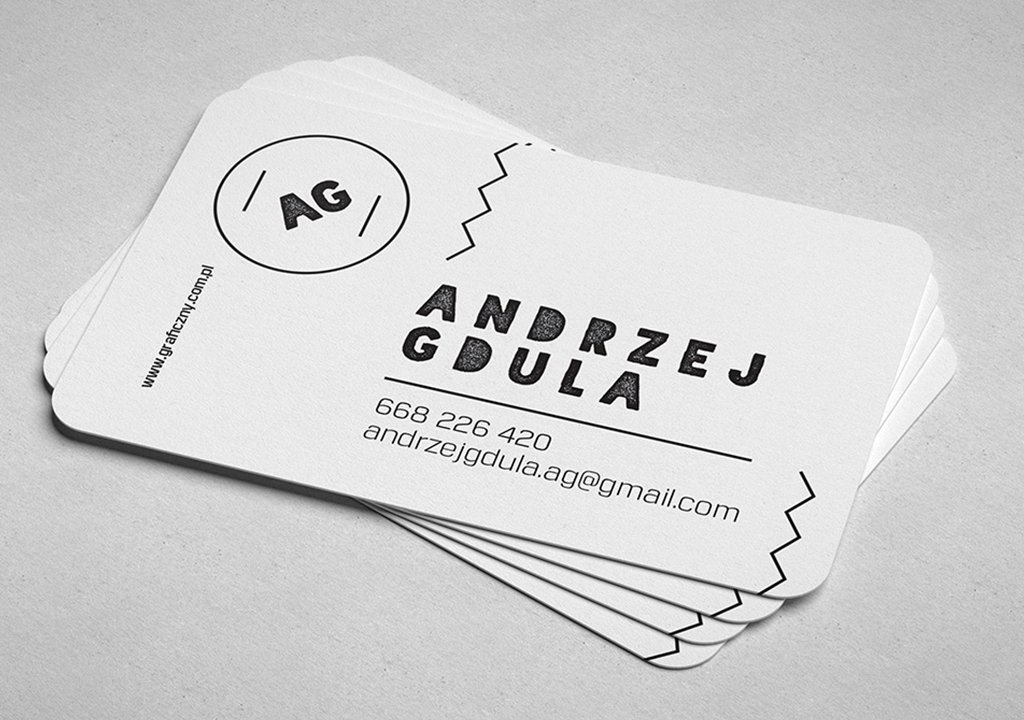
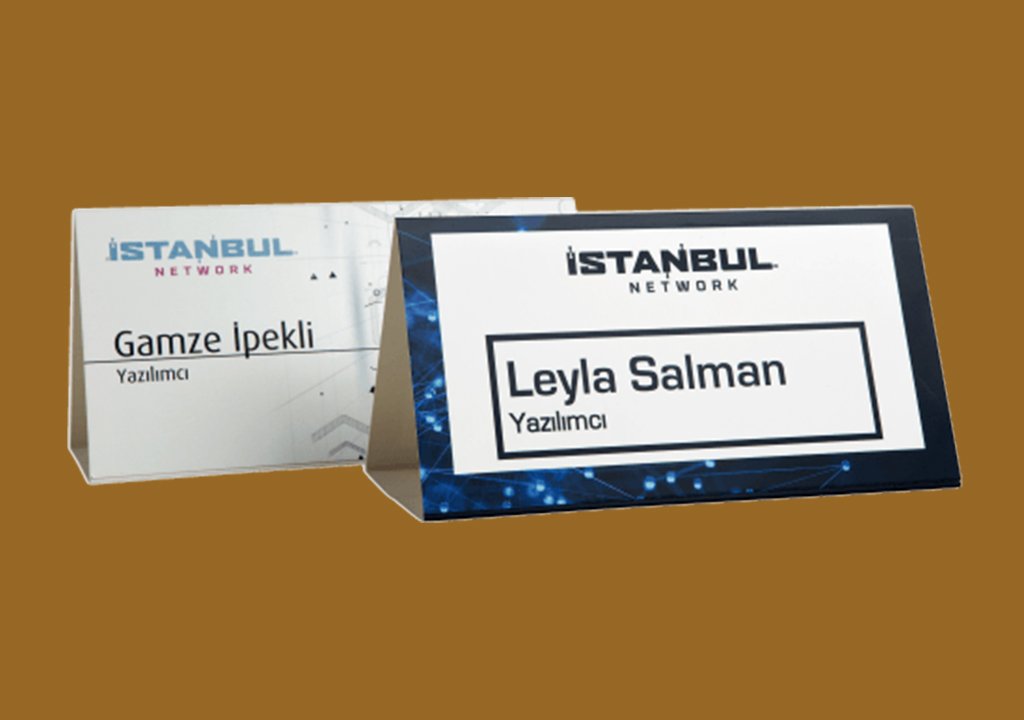
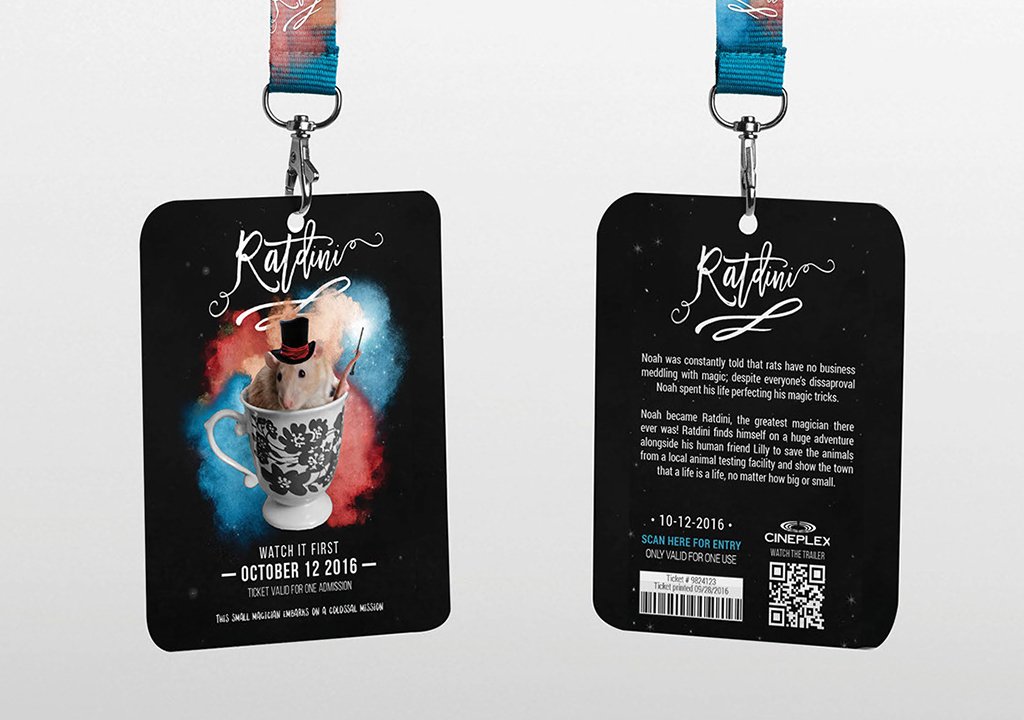
Variable data printing is used for creating more personalized versions of office supplies like certificates, badges, business cards, and name tags, which are normally printed with traditional offset methods. For instance, you can personalize invitations by adding the recipient's name, making the invitation specifically tailored to that individual.
The scope of variable data printing applications goes beyond just invitations; it can also be used for items such as bank statements and credit card invoices, among others.
How is Variable Data Printing Done?
You might wonder, “How is variable data printing done?” This process is carried out using specialized software and components, such as VDP-configured design programs, and passes through workflows that include digital front-end systems like Digital Production Press. As PDF format files function seamlessly, VDP jobs become richer and more complex, increasing the processing power required for the DFE.
For example, printing a VDP job at a speed of 120 pages per minute means that those 120 pages must also be ripped at the same speed. Therefore, it’s critical to create and optimize PDF files correctly. At Seka Basım and Reklam, we use the guide “How to Produce PDF Files” supported by specialized organizations like PODI and Xplor to ensure the perfect configuration of PDF/VT settings. We carefully follow each of the highlighted steps in the guide when performing variable data printing tasks.
 Share on Social Media