Envelope
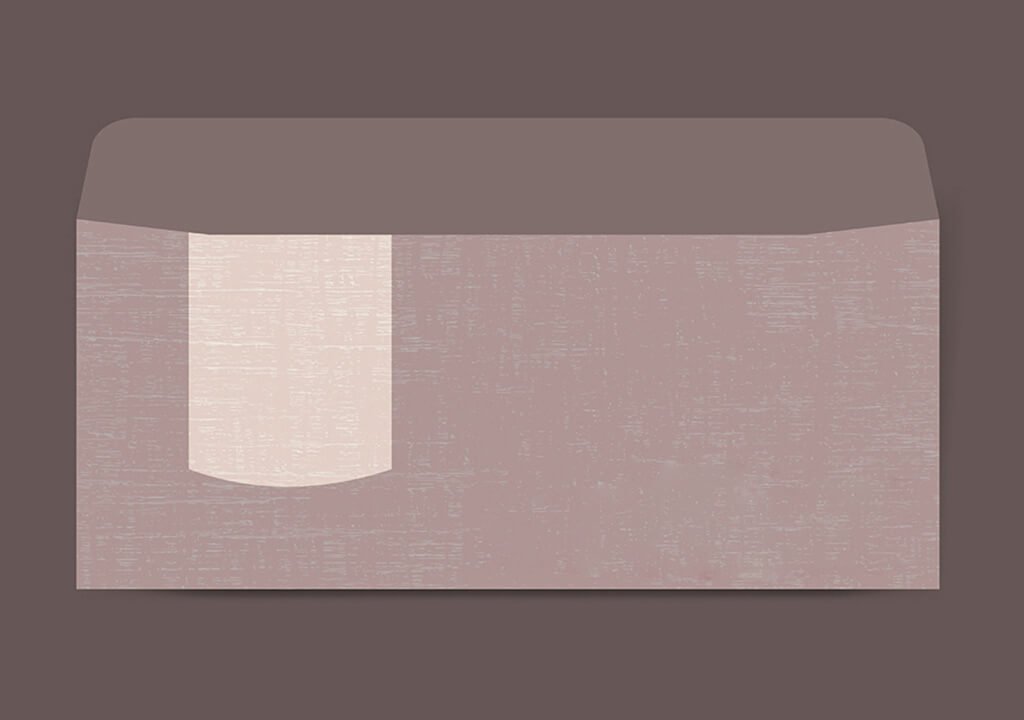
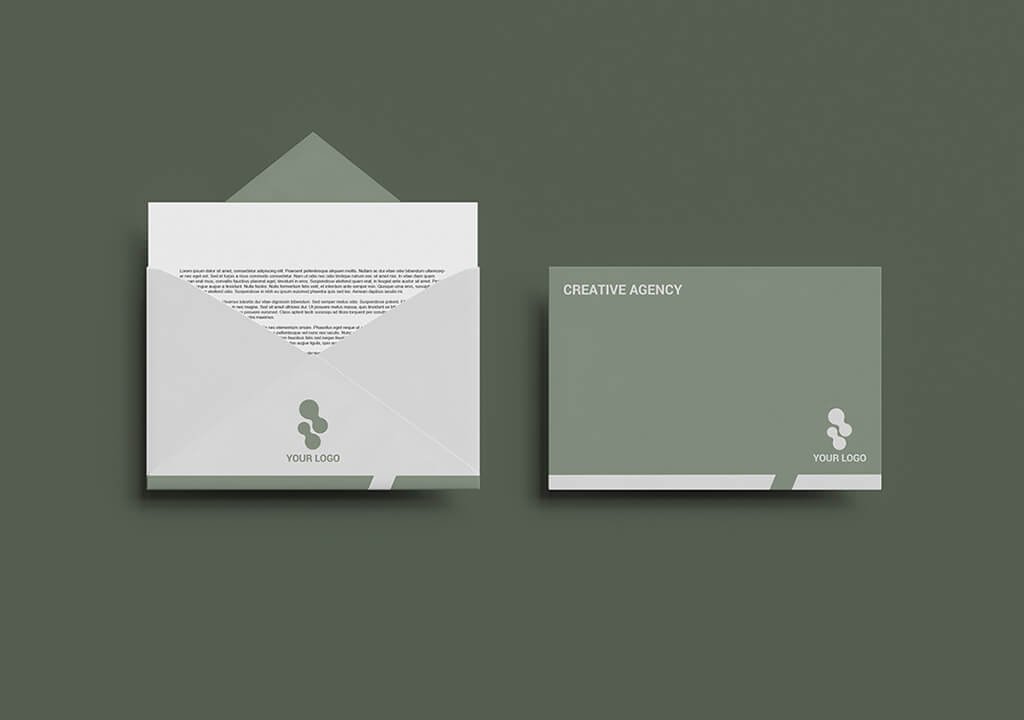
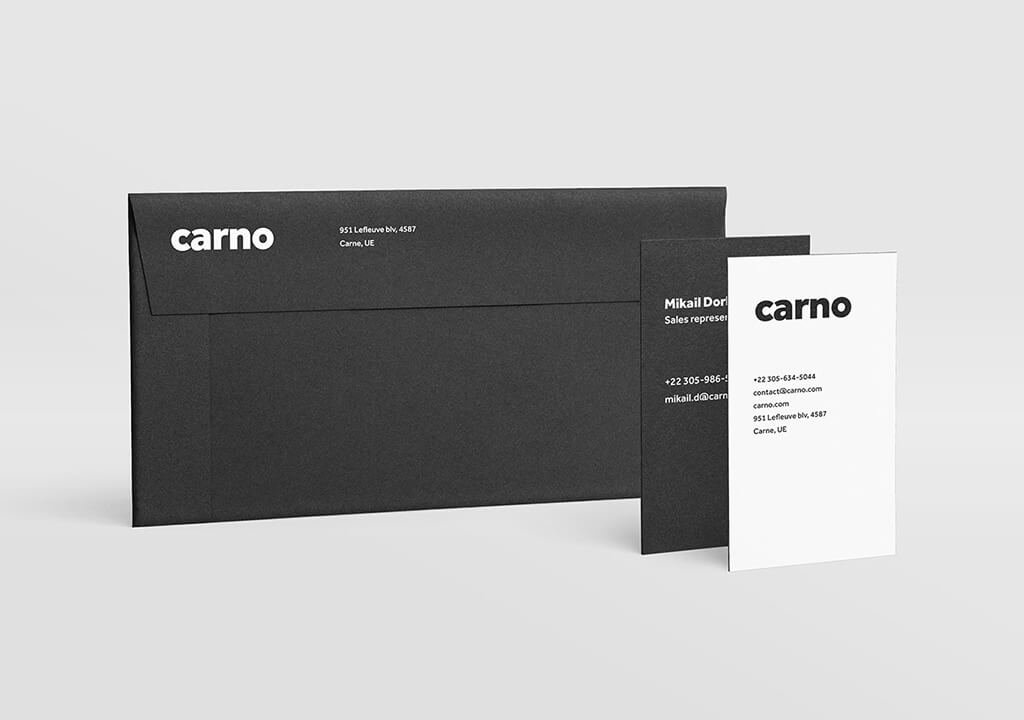
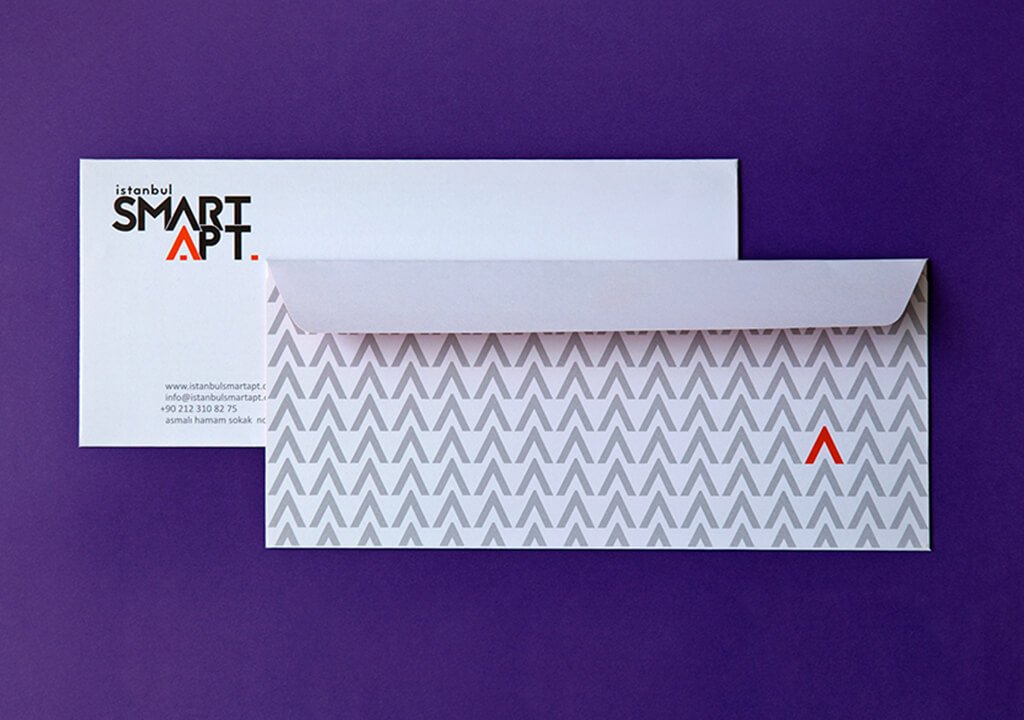
An envelope is traditionally used to send written letters or telegrams to a specific address. However, in modern times, the use of envelopes has expanded significantly, and they now serve as a product through which both large and boutique businesses reflect their corporate identity to customers. Envelopes play a role in corporate life similar to catalogs, business cards, and letterheads.
Envelope Design
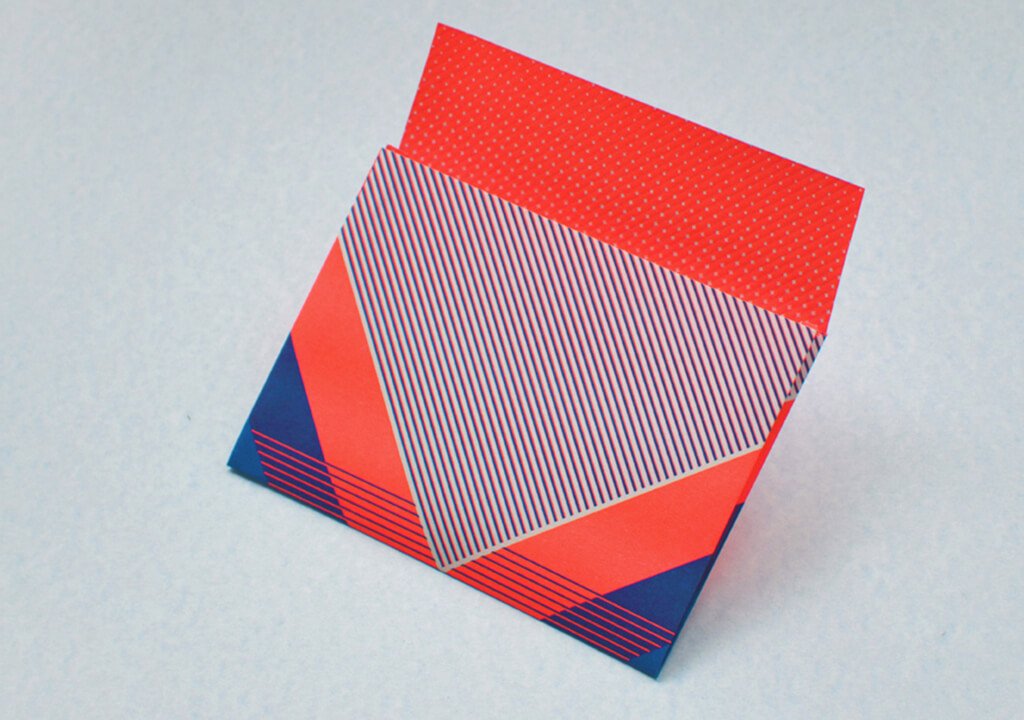
Envelope design is created through various techniques like foil stamping, embossing, spot UV, Pantone color, CMYK color, and offset gold stamping. The paper types used in envelope design vary widely. Coated paper is the most commonly preferred, but envelopes can also be made using Bristol board, colored cardboard, textured paper, and pulp paper varieties.
The weight of the paper used ranges from 200g to 350g for coated paper, 300g to 350g for Bristol board, and 110g for pulp paper. In corporate envelopes, colors are extremely important. Since customers expect to see the company’s logo and emblem on the envelope, four-color printing techniques are commonly used. Alternatively, single-color or two-color printing techniques can also be applied in envelope design.
Types of Envelopes
There are various types of envelopes designed to serve different purposes. Here are some common types:
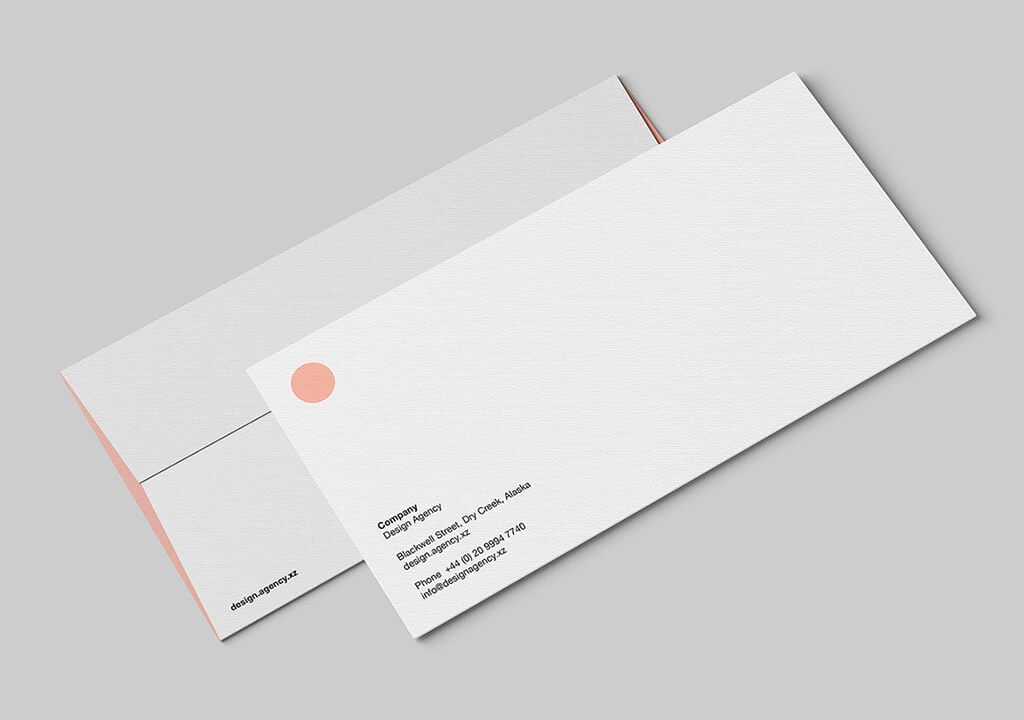
Letter Envelope: Letter envelopes are typically divided into diplomat envelopes and wallet envelopes. These are commonly used to send letters or company invoices to the relevant departments. Their dimensions range between 105x240 mm and 110x240 mm.
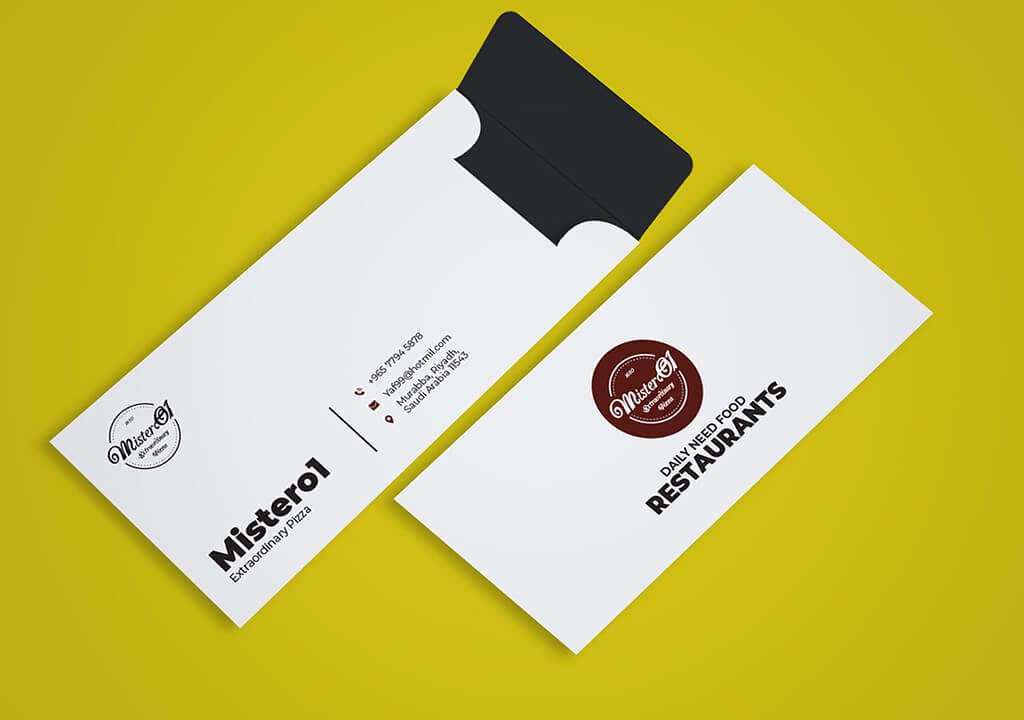
Invitation Envelope: As the name suggests, invitation envelopes are used for events such as weddings, engagements, gatherings, and meetings. These can be designed in standard or custom sizes, with colors like cream, white, black, and red. The sizes range from 12x22 cm to 17x25 cm.
Pouch Envelope: Pouch envelopes are commonly used in corporate settings. They are designed to carry both official correspondence and samples and often feature the company’s logo. The sizes can vary from 130x170 mm to 370x370 mm based on the request.
CD Envelope: CD envelopes are designed to protect CDs or DVDs. These can be made from cardboard and come in adhesive or paper-windowed types. The typographic printing technique, which creates slight indentations on the paper, is used for CD envelope design. Depending on customer preferences, embossing, spot UV, lamination, UV coating, and foil stamping techniques can also be applied.
Bubble Wrap Envelope: These envelopes provide protection against water or potential impacts for the materials inside. They are typically used to send urgent documents. They are made from 1st-grade paper and 120g paper. Various paper types such as kraft and sulphate are available, and the envelope can be designed using any printing technique based on the customer’s needs. Due to high demand from businesses, these envelopes are typically ordered in quantities of at least 200.
While the types of envelopes listed above cover most common uses, the range of available envelopes can also extend to X-ray envelopes, business card envelopes, letter envelopes, fancy envelopes, and passport envelopes.
Envelope Prices
Envelope prices vary depending on the quality of the envelope, the colors used during the design process, and the printing techniques applied. At Seka Printing & Advertising, we offer services for any type of envelope order you may have.
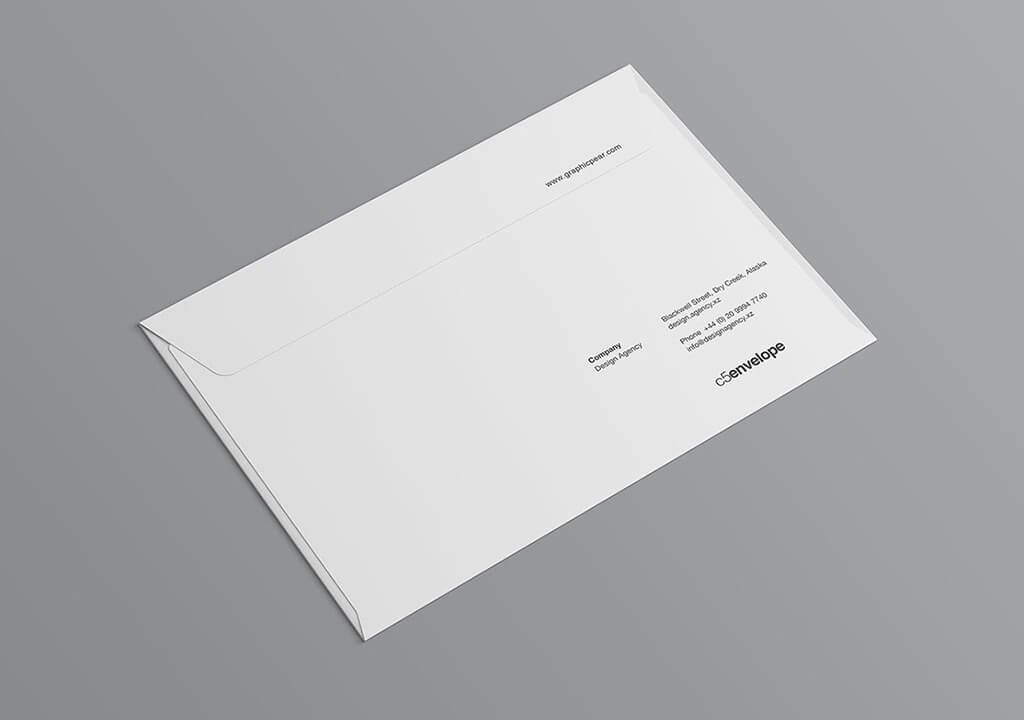
You can customize your envelope design with your company’s logo, contact information, and any desired graphic design elements. We integrate high-tech and quality techniques into the printing process at every stage, delivering your envelopes to your address quickly at budget-friendly prices.
If you want to enhance your company’s promotional efforts, act now and contact us! Seka Printing & Advertising is here to assist with all your envelope and corporate identity needs.
 Share on Social Media